Picture of JLab Animation

JLab Animation

JLab animation is an animation studio that focuses on creating 3D medical animations for a better explanation, presentation and visualization of the human body.

Why Every Medical Startup Needs Visual Simulation Before Launch

LinkedIn
Facebook
Twitter

A New Way to Understand Before You Build

What if you could test your medical product before it ever touched a patient?
What if you could show exactly how it works inside the body, in real time before it even reaches the market?

This is the promise of digital twins in healthcare.

For medical startups, where innovation is often complex and difficult to explain, digital twins offer a powerful advantage: the ability to simulate, visualize, and communicate a product’s behavior before real-world deployment.

And at the core of this transformation lies one essential tool 3D medical animation.

What Is a Digital Twin in Healthcare?

A digital twin is a virtual replica of a physical object, system, or even a patient. It uses data, modeling, and simulation to mirror how something behaves in the real world.

In healthcare, digital twins can represent:

– A medical device and how it functions internally

– A specific organ or biological system

– A patient’s anatomy and physiological response

Instead of imagining how a product works, stakeholders can see it, test it, and understand it visually.

For startups, this means turning an idea into something tangible before manufacturing, before clinical trials, and even before the first prototype.
From Concept to Clarity: The Role of 3D Animation

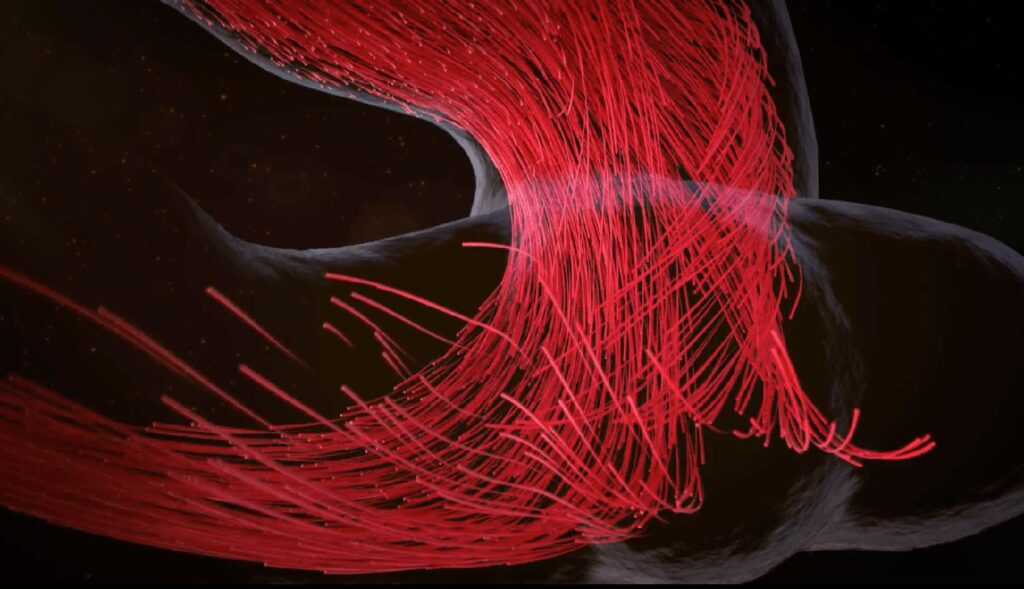
Digital twins are powered by data but they are understood through visualization.

This is where 3D medical animation becomes critical.

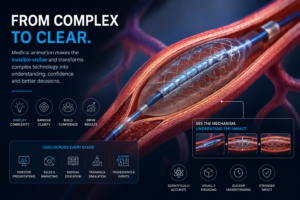
Instead of presenting technical diagrams or lengthy explanations, animation allows startups to:

– Show how a device interacts with the human body

– Visualize internal mechanisms that cannot be filmed

– Demonstrate cause-and-effect relationships in real time

– Simplify complex processes into intuitive visuals

A complex concept, when visualized properly, becomes instantly clear.

And in a world where attention spans are short and competition is high, clarity is everything.

Simulating Outcomes Before Real-World Testing

One of the most valuable advantages of digital twins is the ability to simulate outcomes.

Before investing in production or clinical testing, startups can:

– Model how a device behaves under different conditions

– Predict interactions with biological systems

– Identify potential issues early in development

– Explore multiple scenarios without physical risk

For example, a startup developing a cardiovascular device can simulate blood flow, pressure changes, and device performance inside a virtual artery. Instead of waiting for physical trials, they gain early insights through simulation.

This doesn’t replace real-world testing but it makes it smarter, faster, and more informed.

A Powerful Tool for Investor Presentations

When pitching to investors, one challenge stands out: explaining a complex product quickly and clearly.

Most startups rely on slides, technical descriptions, or static images. But these rarely capture the full picture.

A digital twin combined with 3D animation changes that completely.

Instead of telling investors how your product works, you show them:

– The problem inside the body

– How your device solves it

– What makes your approach unique

This creates:

– Faster understanding

– Stronger engagement

– Greater confidence in your solution

Investors don’t just evaluate ideas they evaluate clarity.
And clarity accelerates decisions.

Supporting Product Validation and Development

Digital twins are not only communication tools—they are development tools.

By visualizing and simulating a product early, startups can:

– Validate design concepts before production

– Align teams around a clear understanding of the product

– Improve collaboration between engineers, clinicians, and stakeholders

– Reduce costly revisions later in the process

In many cases, seeing the product in motion reveals insights that static designs cannot.

It transforms development from assumption-based to insight-driven.
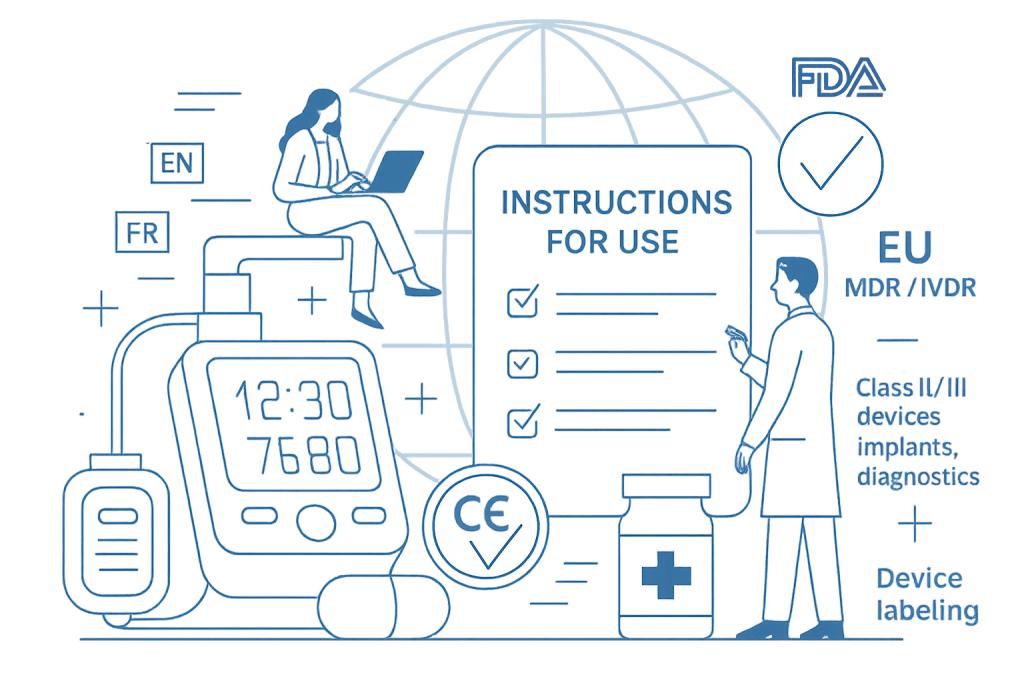
Enhancing Regulatory Communication

Regulatory approval is one of the most critical and complex stages for any medical startup.

Communicating how a device works, how it interacts with the body, and how it ensures safety can be challenging using documents alone.

3D visualization and digital twins help bridge that gap.

They allow startups to:

– Clearly demonstrate mechanisms of action

– Illustrate safety features and workflows

– Provide a transparent view of how the product performs

– Support documentation with visual clarity

When regulators can clearly understand a product, the communication process becomes more efficient and more effective.

Why This Matters More Than Ever in 2026

Healthcare is becoming more complex.
Technologies are becoming more advanced.
And expectations for clarity are higher than ever.

In this environment, startups that rely only on traditional explanations risk being overlooked.

Digital twins and 3D animation are no longer optional they are becoming essential tools for:

– Communication

– Validation

– Differentiation

They allow startups to move faster, explain better, and build stronger trust across all stages of growth.

How We Help Bring Digital Twins to Life

At JLab Animation, we specialize in transforming complex medical ideas into clear, compelling visual experiences.

We help startups:

– Turn concepts into realistic 3D visualizations

– Simulate product behavior through animation

– Create powerful tools for presentations, validation, and communication

Our focus is not just on visuals but on clarity, understanding, and impact.

Because in today’s healthcare landscape, the startups that succeed are not only the ones that innovate but the ones that can clearly show their innovation.

Final Thought

Digital twins represent a shift in how medical products are developed, tested, and communicated.

They allow startups to move from uncertainty to clarity before launch, before investment, and before real-world application.

And when combined with the power of 3D animation, they do something even more valuable:

They make the invisible… visible.

In the future of healthcare, that may be the greatest advantage of all.
More to explorer

Medical simulation training with robotic systems and automated hospital technology

Robotics & Automation in Medicine

Healthcare is no longer confined to hospitals and clinics.

Today, medicine is moving into our homes, onto our wrists, and even into our pockets. We are entering the era of digital health and wearable technology where continuous monitoring and smart devices are reshaping how we detect, track, and prevent disease.

Wearable health technology tracking heart rate and vital signs in real time

Transforming Healthcare Beyond the Hospital

Healthcare is no longer confined to hospitals and clinics.

Today, medicine is moving into our homes, onto our wrists, and even into our pockets. We are entering the era of digital health and wearable technology where continuous monitoring and smart devices are reshaping how we detect, track, and prevent disease.

Placenta Accreta

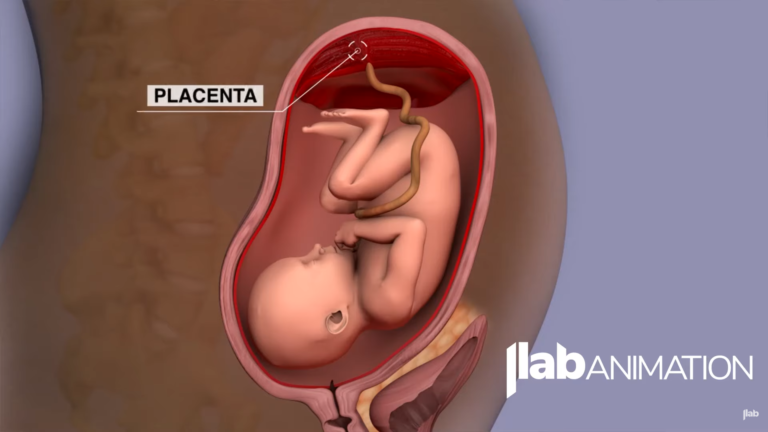
The placenta is an essential organ that develops during pregnancy to nourish and support the growing fetus. It is attached to the uterine wall and is responsible for providing oxygen, nutrients, and waste elimination between the mother’s blood supply and the developing baby. The placenta also produces hormones that help maintain the pregnancy and regulate various physiological processes.

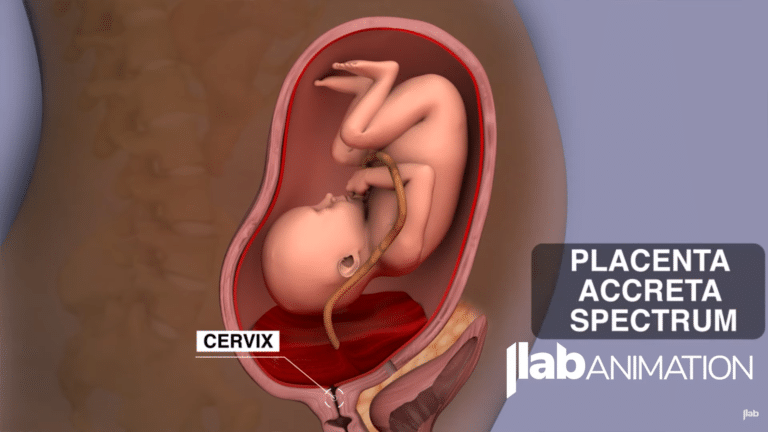
Placenta accreta is a serious pregnancy complication where the placenta attaches too deeply into the uterine wall, instead of detaching naturally during childbirth. This condition can lead to severe bleeding during delivery and may require surgical intervention. There are three main stages of placenta accreta:

Placenta Accreta: In this stage, the placenta attaches abnormally close to the uterine wall but doesn’t penetrate it. The outer layer of the placenta may invade the uterine lining, making separation difficult during delivery.

Placenta Increta: In this stage, the placenta penetrates deeper into the uterine wall. The placental tissue invades the muscle layer of the uterus, making separation even more challenging. Increta is more severe than accreta and poses a higher risk of bleeding during delivery.

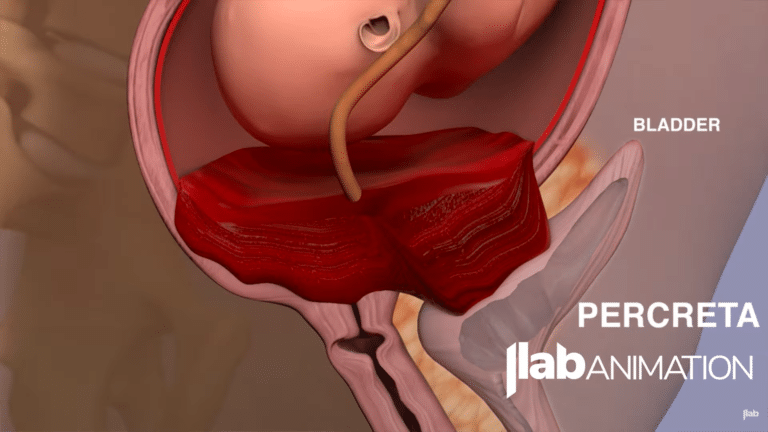
Placenta Percreta: This is the most severe stage. In percreta, the placenta penetrates through the uterine wall and may even invade nearby organs, such as the bladder. This condition poses a significant risk of life-threatening bleeding and requires surgical intervention to remove the placenta safely.

Placenta accreta spectrum disorders occur when the placenta is abnormally adherent to the uterine wall, and they can lead to complications during childbirth, including postpartum hemorrhage. These conditions are more common in women who have had previous cesarean sections or other uterine surgeries, as the scar tissue can disrupt the normal attachment and detachment of the placenta.

Managing placenta accreta spectrum disorders usually involves a multidisciplinary approach with input from obstetricians, maternal-fetal medicine specialists, and sometimes surgeons. Depending on the severity of the condition, treatments may range from careful monitoring during pregnancy to planned cesarean hysterectomy, where the uterus is removed along with the placenta to control bleeding.

It’s important for pregnant individuals to receive regular prenatal care and discuss any concerns with their healthcare providers to ensure the best possible outcomes for both the mother and the baby.

Identifying Signs and Symptoms of Surgical Wound Infection

These are the most common surgical wound infections and the symptoms include redness, swelling, fever, and pain. The key to preventing surgical wound infections is following post-operative instructions and maintaining good hygiene.

Medical animations can be used by doctors to educate patients on what they’re going to do or what they’ve already done. They’re also useful for medical students who are learning to perform procedures and surgeries. Medical animations can be used to show patients what they can expect during their treatment, rehabilitation, or recovery process.

If you’re interested in medical animation, JLab Animation is a medical animation company that specializes in helping doctors and patients understand the inner workings of the human body through animation. The team at JLab Animation is a great resource to use if you’re looking to get started in this field.

Achilles Reconstruction

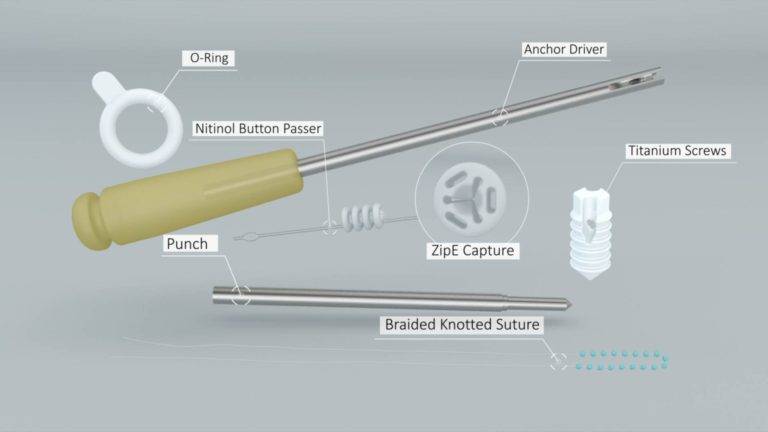
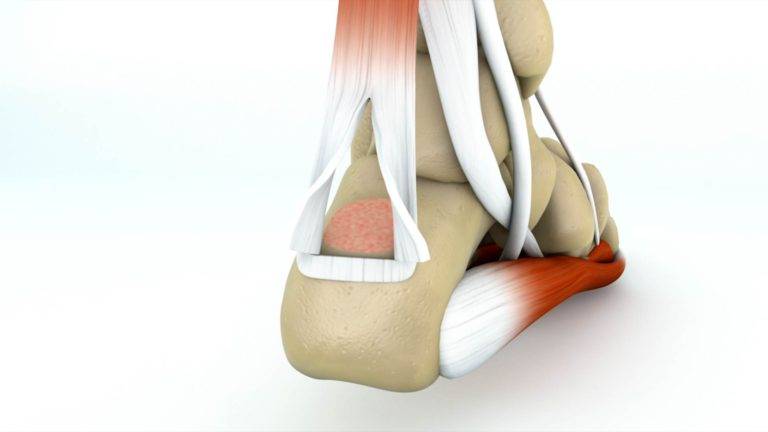
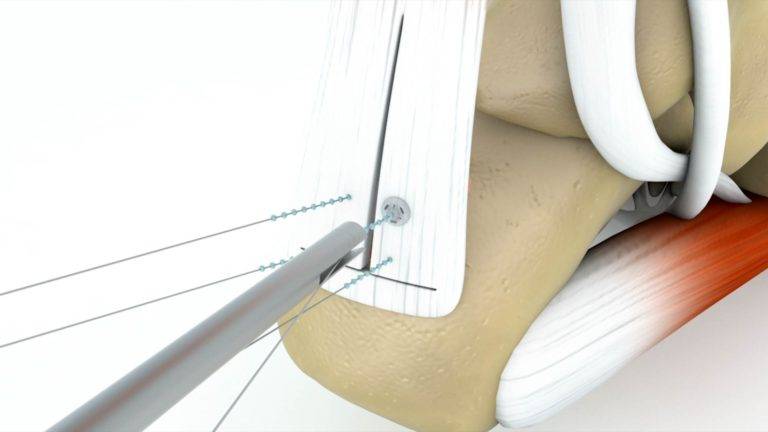
Achilles tendon surgery is a procedure that reattaches a torn or damaged Achilles tendon to the heel bone with a synthetic mesh or graft. A tendon is a tough band of tissue that connects muscle to bone and helps you move your body. It’s located in the back of your ankle and attaches your calf muscles to the heel bone.

The great thing about using 3D medical animation is that it can be used to explain complex medical procedures in a way that’s easy to understand. 3D medical animation, also known as medical animation, is the use of 3D computer graphics and specialized software to produce dynamic 3D animations of the human body. 3D medical animation is a great way to walk your audience through a complicated process in a visual, engaging way. This is perfect for any kind of technical product, especially if it’s used by doctors and other medics.

JLab Animation company is one of the best animation companies in
the United States. We have been in this industry for over seven years now and we have worked with a lot of great clients and we have delivered amazing work to all of them.

IUI Procedure

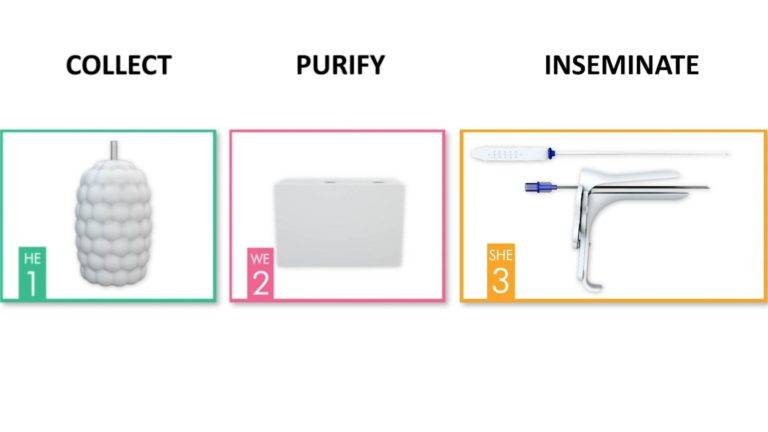
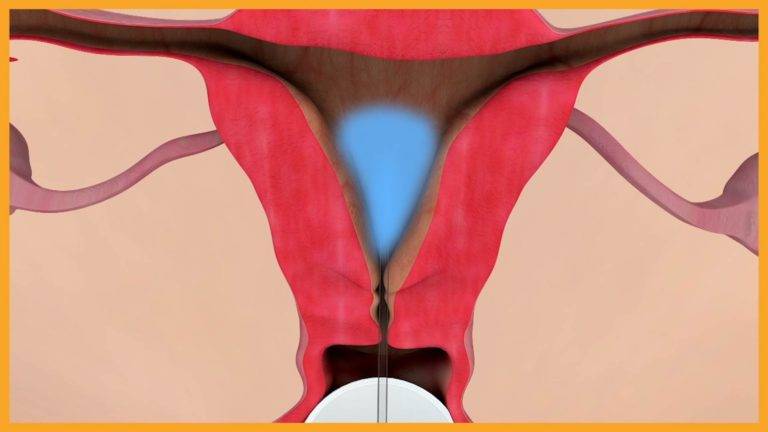
IUI, or intrauterine insemination, is a type of fertility treatment that involves placing sperm inside a woman’s uterus close to the time of ovulation. The goal of IUI is to increase the odds that she will get pregnant.


3D medical animation is becoming more and more popular in the medical industry because it’s a great way to show how a surgery or procedure might look in real life. Not everyone is comfortable with the idea of having surgery, so 3D medical animation can be a great way to demystify that process for patients.

JLab Animation company is a great place to start if you’re looking to create a beautiful 3D animation. JLab Animation provides sound design and visual effects for the animation and we are working very closely with our clients.

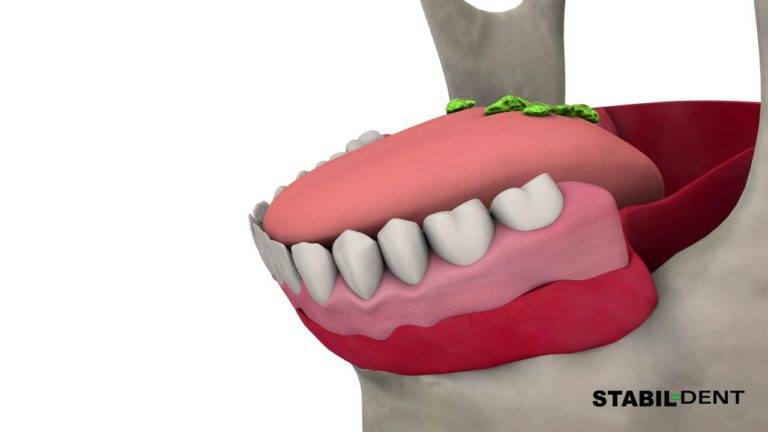
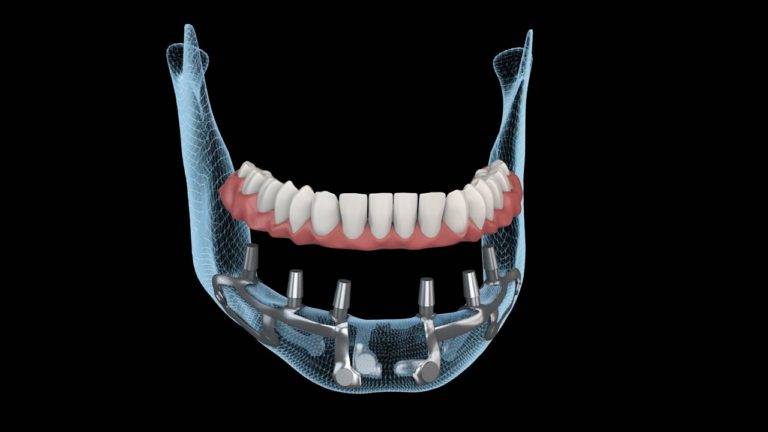
Lower Denture Stabilizers

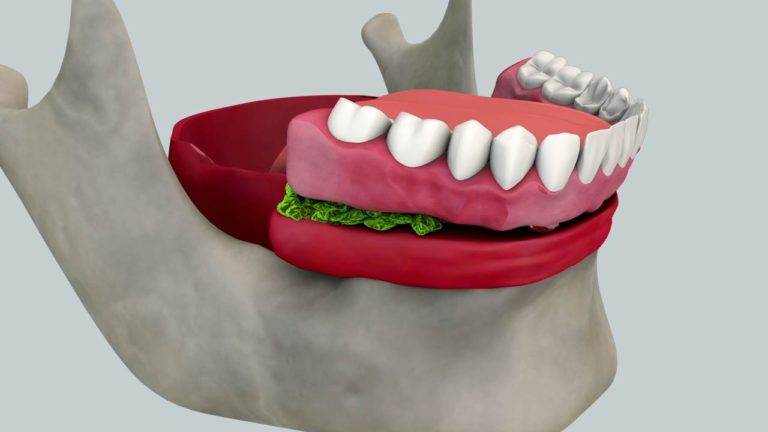
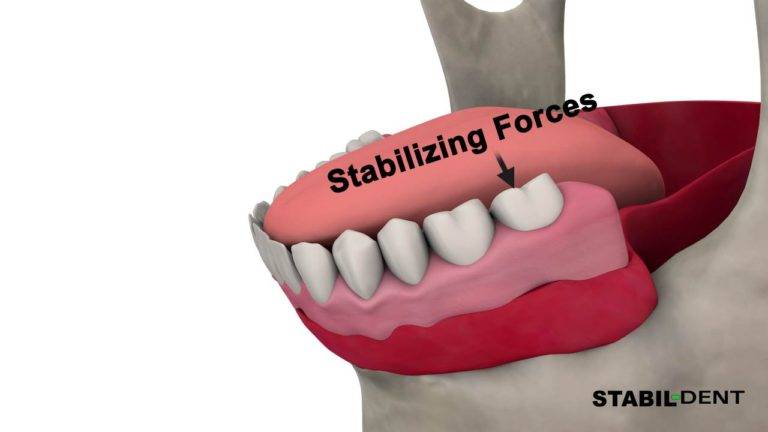
Denture stabilizers are a great treatment for patients who are having issues with their dentures. A common problem with dentures is that they don’t fit correctly and cause discomfort, pain, and embarrassment. They can also be very embarrassing, especially if you’re in the middle of eating and your denture comes loose.

3D dental animations can help people make decisions about their treatment. 3D dental animations are great for explaining complicated procedures to patients. People are more likely to choose a dentist who uses 3D dental animations because they’ll know that the dentist is trustworthy and that they’ll be able to take care of their teeth and gums.

JLab Animation is a company that creates content for brands. We create animation and illustrations for blogs, websites, and social media content. Our team of animators and illustrators works with agencies, brands, and startups to create videos and illustrations that people love to watch and share.

JLab Animation has been in business since 2015.

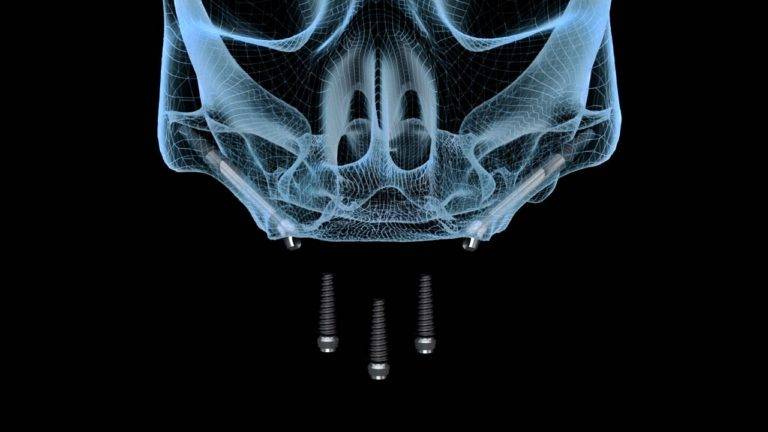
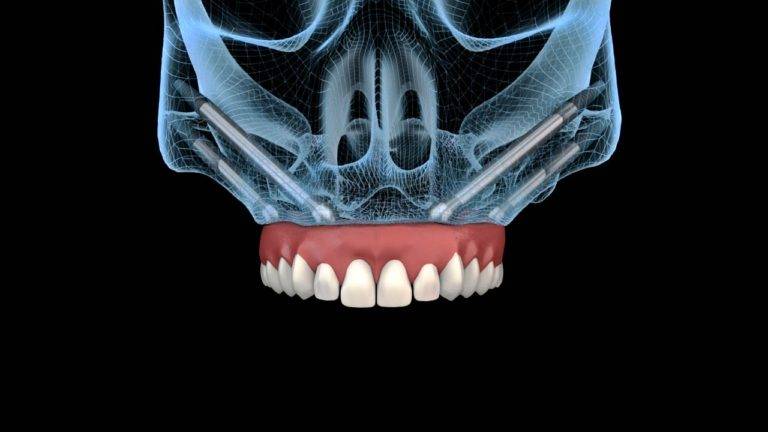
Zygomatic Implants

Zygomatic implants are a type of dental implant that is used to replace missing teeth. They are made out of titanium and the implant is typically screwed into the bone underneath the gums. Dental animations are a great way to communicate your message to an audience that is hard to reach. You can use dental animations to get your message across, to help people understand what you’re saying, and helps them to understand what they’re going to experience.

Dental companies have been using 3D images for a while now on their websites, but they’ve only been doing it as still images. JLab Animation is an animation studio that creates high quality 3D animations that can be used by dental practitioners to replace their old images and add 3D dental animation.

JLab Animation is a full-service animation studio. We create animated explainer videos, whiteboard animations, motion graphics, 3D animations, and full-blown video content for social media. We’re a team of creative artists that are here to help you bring your brand to life through the magic of animation.

Telomerase Enzyme

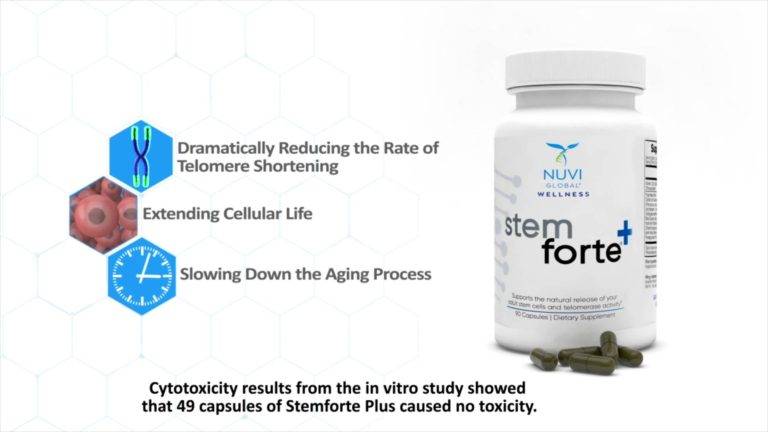
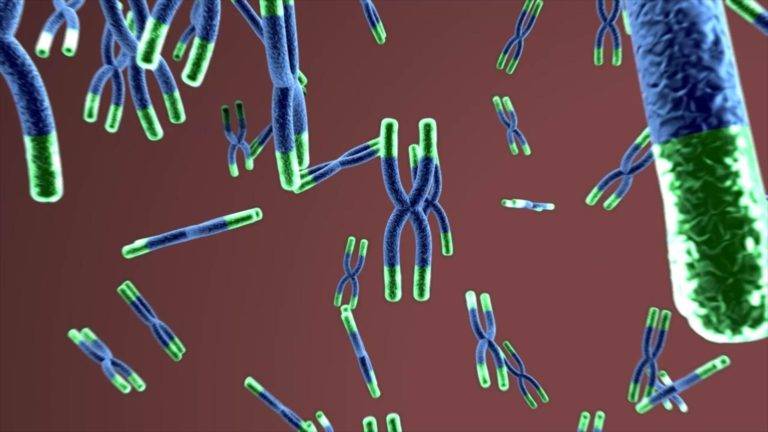
Telomerase is an enzyme that extends the length of our telomeres, which are the caps at the end of the DNA strands in our cells. Telomeres act as a kind of biological clock and are the reason we age and die. Every time a cell divides, the telomeres shorten by a tiny bit.

Science animations are a great way to explain complex scientific concepts in an entertaining and engaging way. The most successful science animations use as few words as possible and very simple animations. They’re designed to be understood by the broadest audience possible. Science animations are highly shareable on social media.

Many of the most popular science videos on YouTube are animations. They’re a great way to present complicated scientific concepts to a mass audience because they convey information in an easily digestible way, and it’s also easier for people to retain information when it’s presented in a visual way. JLab Animation is a full service motion graphic, animation and video production studio offering everything from 2D animation to 3D computer graphics. We’re also a fully equipped post-production facility specializing in high-quality audio and video finishing.

Skin Barrier Function

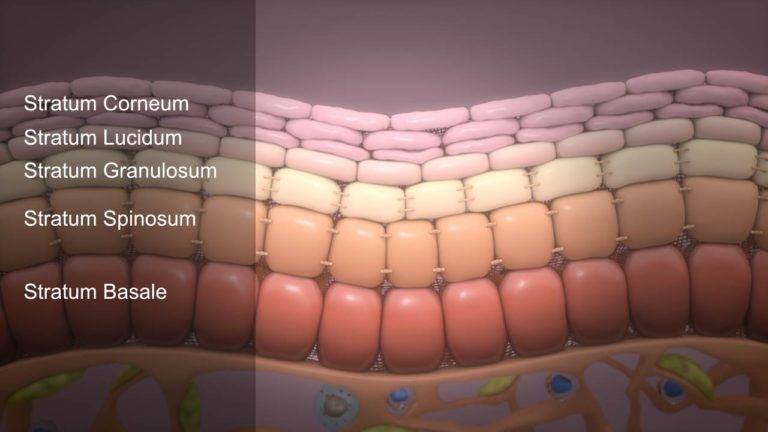
The skin barrier is the outermost layer of your skin. Your skin barrier is made up of dead skin cells, lipids (fats), and certain proteins. The skin barrier’s purpose is to protect you from the outside environment. It’s imperative that you keep your skin barrier strong.
One of the best ways to explain a medical procedure is through a medical animation. In a medical animation, you can show how surgery is done or how a drug works in the body.
A well-made medical animation can help doctors, patients and the public understand complex procedures that are hard to explain in words.

JLab Animation is an animation and visual effects studio. We create 2D, 3D, and motion graphics for hospitals, pharmaceutical companies, dental clinics, medical device manufacturers and educational videos. Our award-winning team consists of artists with backgrounds in a feature films, broadcast animation, and visual effects production.