In 2026, medical startups are no longer competing only on innovation.
They are competing for attention.
At global events like MedTech Forum 2026, CES 2026, and Arab Health 2026, hundreds of companies showcase groundbreaking technologies, devices, and healthcare solutions.
But there’s one major problem:
Most medical innovations are difficult to explain quickly.
A startup may have an incredible technology behind its product but if attendees, investors, or distributors cannot understand it within seconds, the opportunity is often lost.
This is why the companies gaining the most attention today are not necessarily the ones with the most advanced technology.
They are the ones that communicate it best.
Why “Show, Don’t Tell” Is Becoming the New Rule
The healthcare industry is entering what many call the attention economy a space where visibility, clarity, and engagement determine whether people stop and pay attention.
At major events, attendees walk through hundreds of booths in a single day.
Most presentations blend together:
– static banners
– technical brochures
– complicated explanations
– overloaded slides
But visual storytelling changes this completely.
A strong 3D or 2D animation can:
– explain a product in under 60 seconds
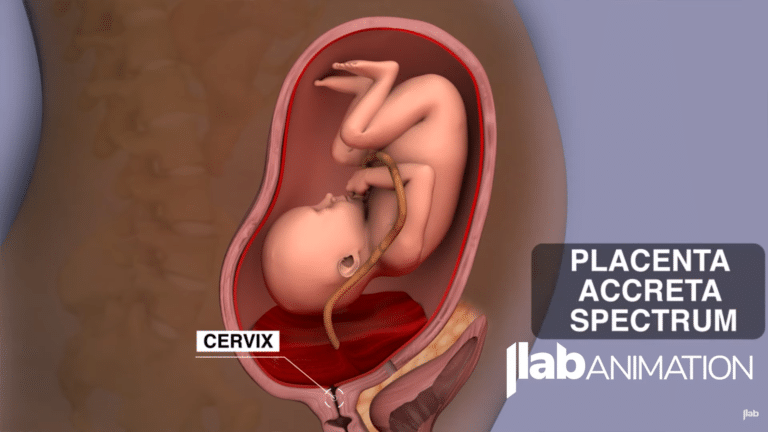
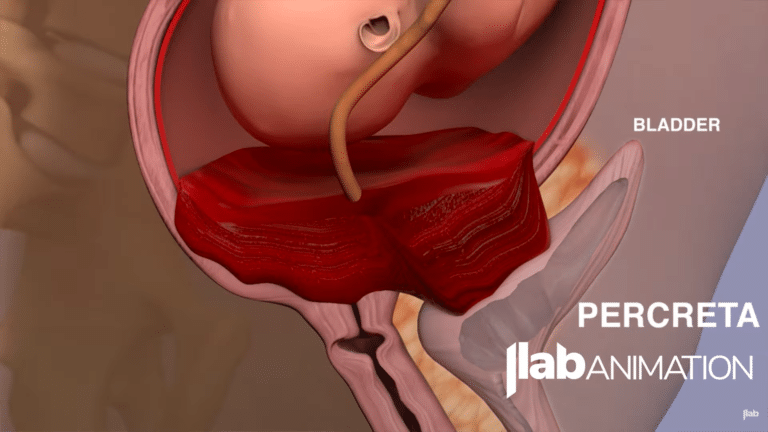
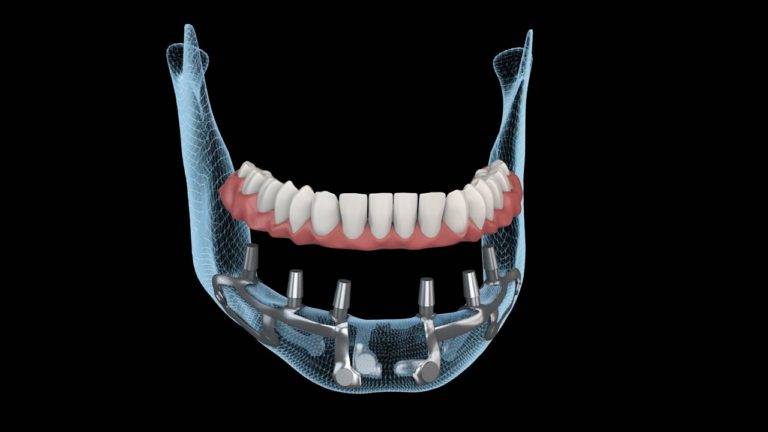
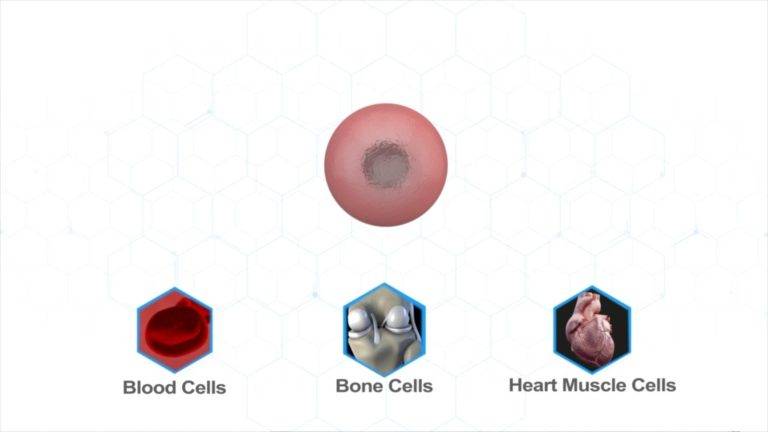
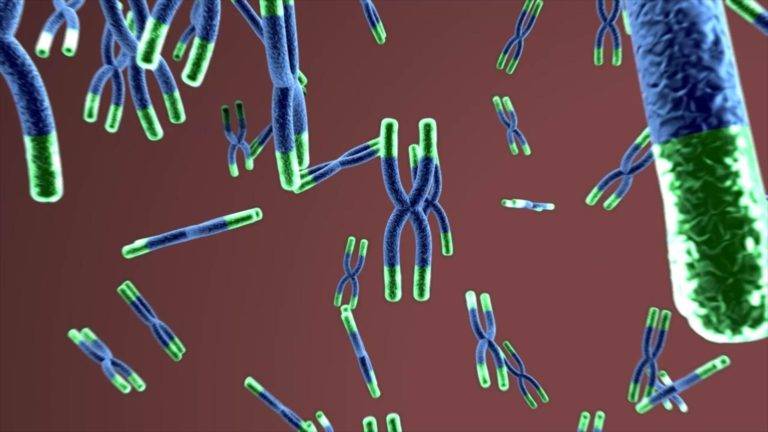
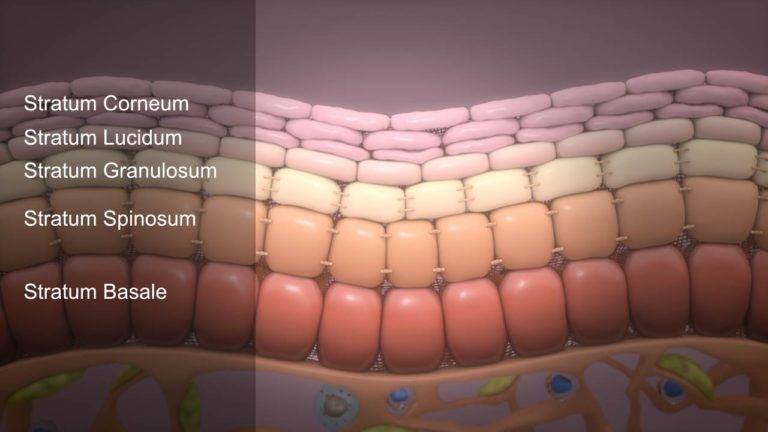
– visualize invisible mechanisms
– create emotional engagement
– simplify highly technical workflows
– attract crowds naturally through motion and clarity
In a busy exhibition hall, movement attracts attention before words ever do.
And in healthcare, where products are often too complex to explain quickly, animation becomes one of the most powerful communication tools available.
The Reality of Modern Medical Events
Events like MedTech Forum, CES, and Arab Health are no longer simple networking conferences.
They are:
– investor environments
– sales environments
– branding environments
– media environments
In many cases, startups have less than 3–5 seconds to capture attention as people walk past their booth.
This changes everything about how products should be presented.
Instead of relying only on verbal explanations, successful startups are using:
– looping animations on large screens
– product simulations
– animated workflows
– short visual explainers
– interactive visual experiences
The goal is not just to present information.
The goal is to stop people in their tracks.
Why Medical Products Need Visual Storytelling More Than Any Other Industry
Many healthcare technologies operate behind the scenes.
You cannot easily see:
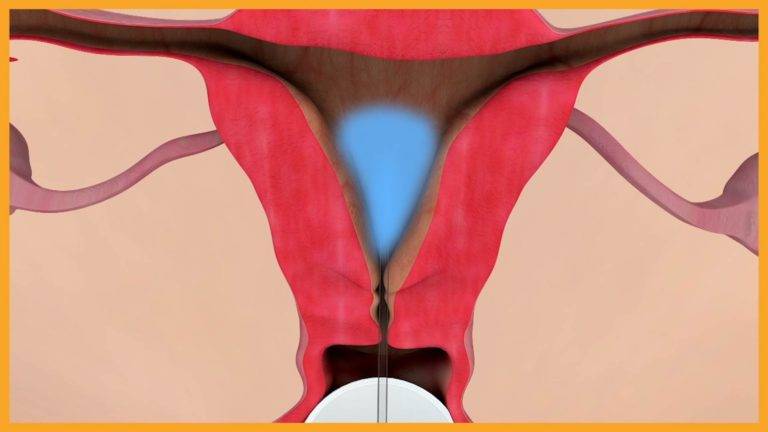
– what happens inside the body
– how a device interacts with tissue
– how data flows through a healthcare system
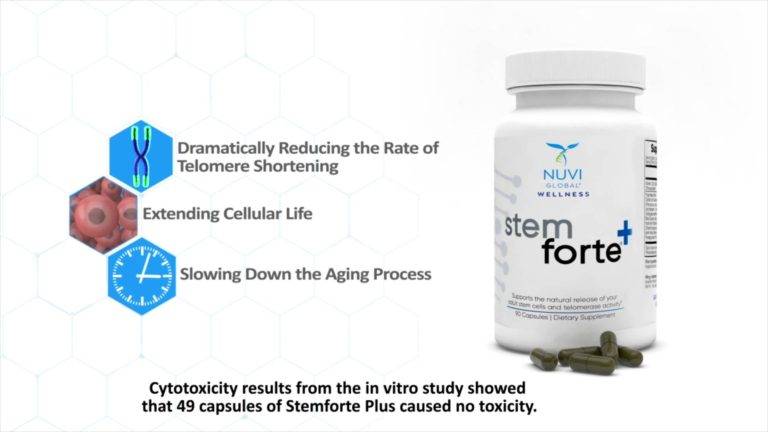
– what makes the technology different from competitors
This creates a communication challenge.
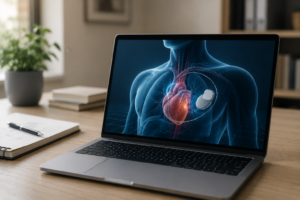
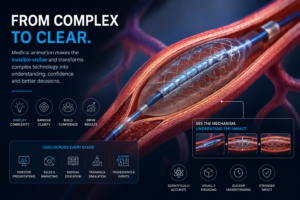
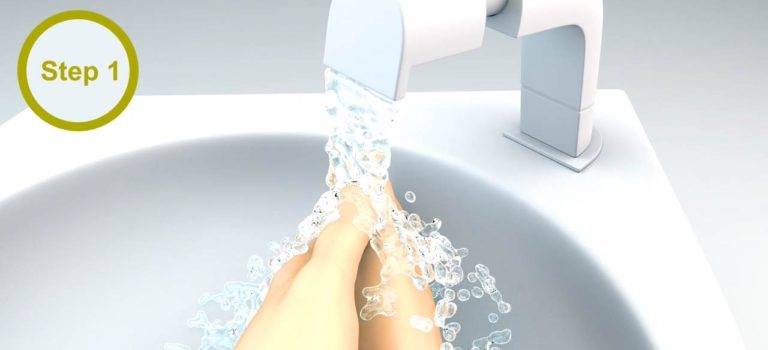
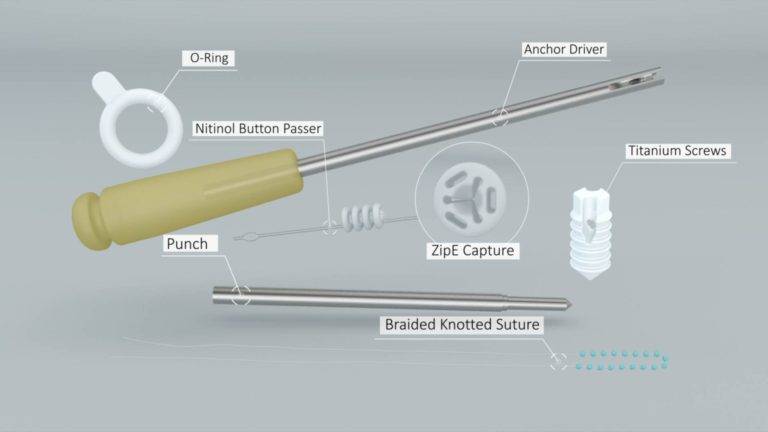
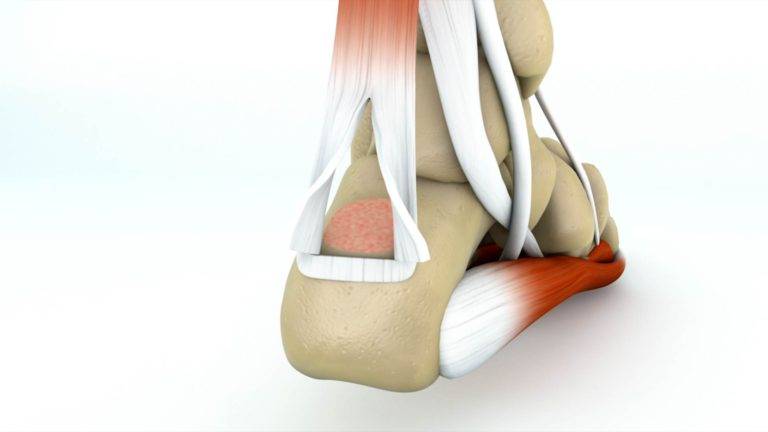
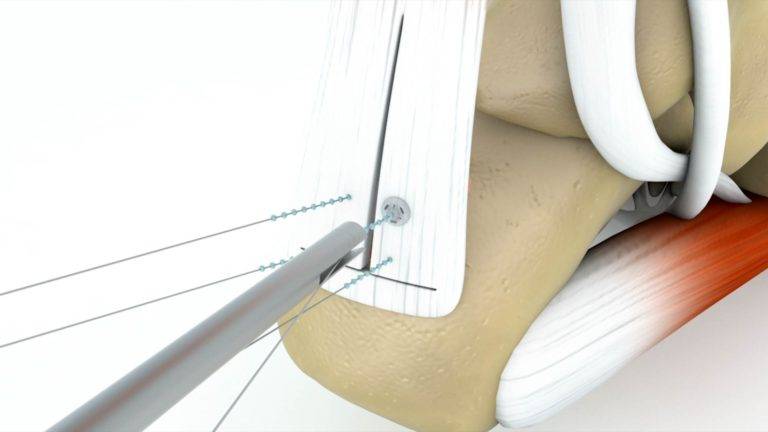
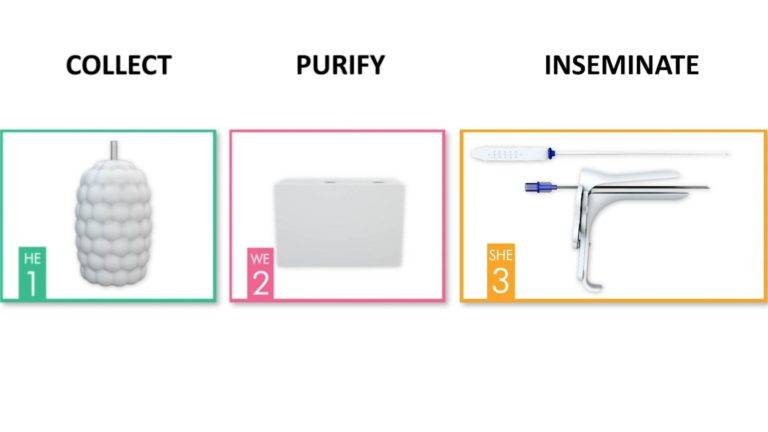
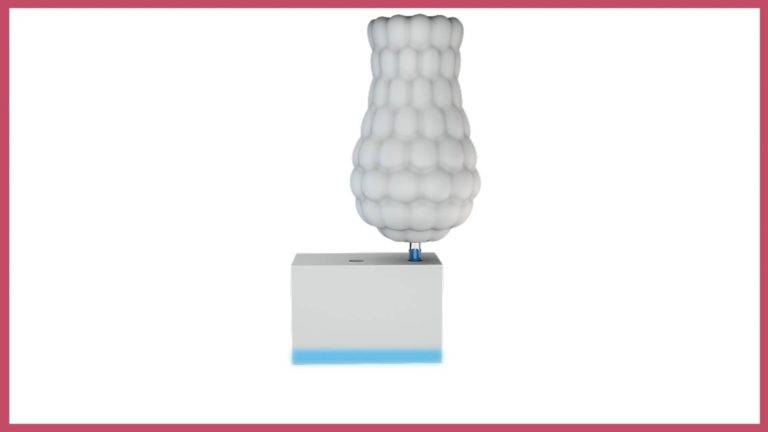
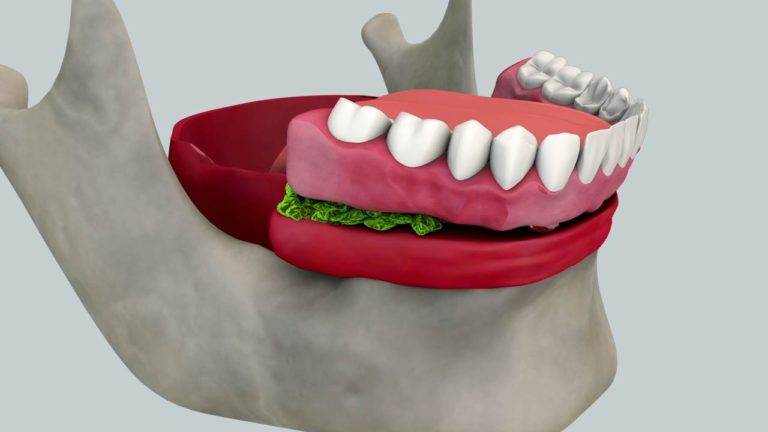
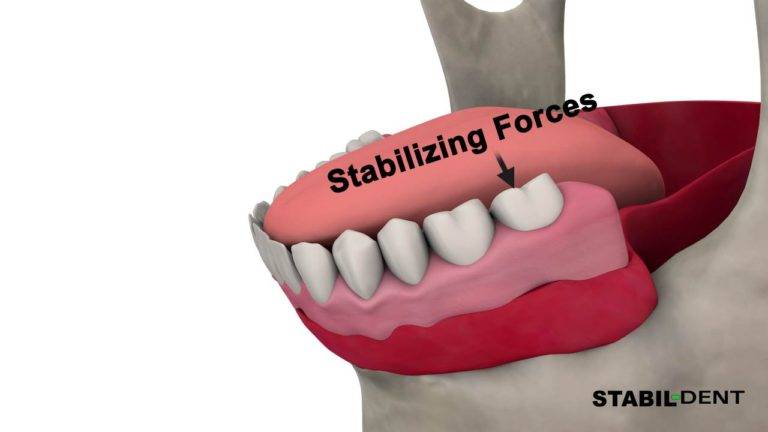
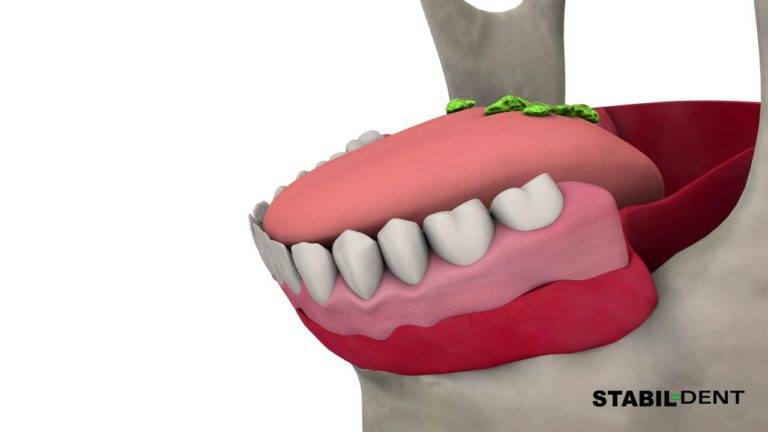
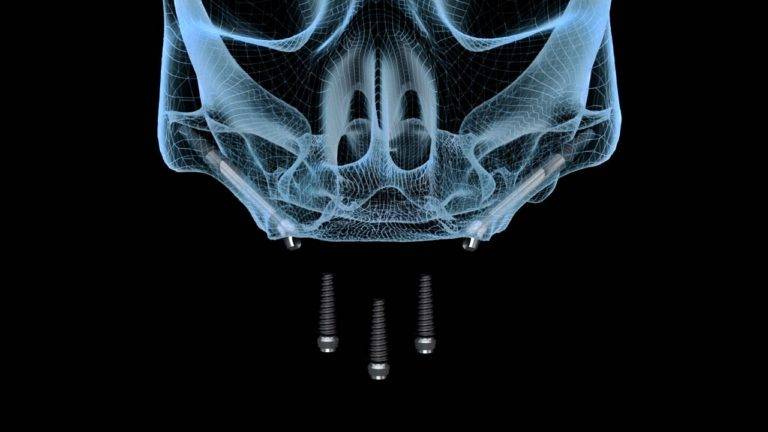
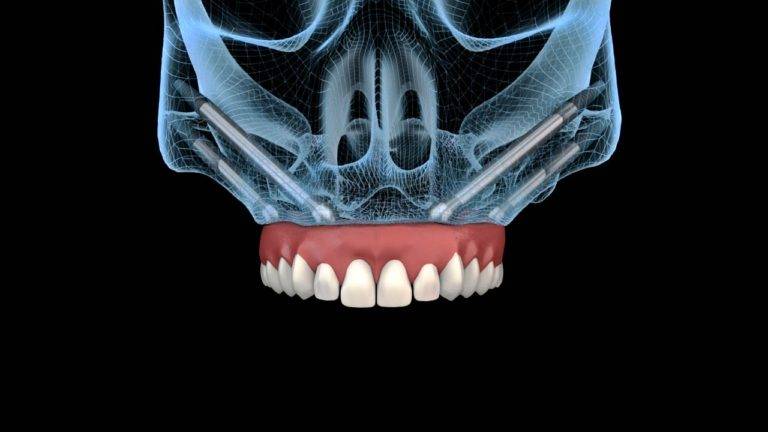
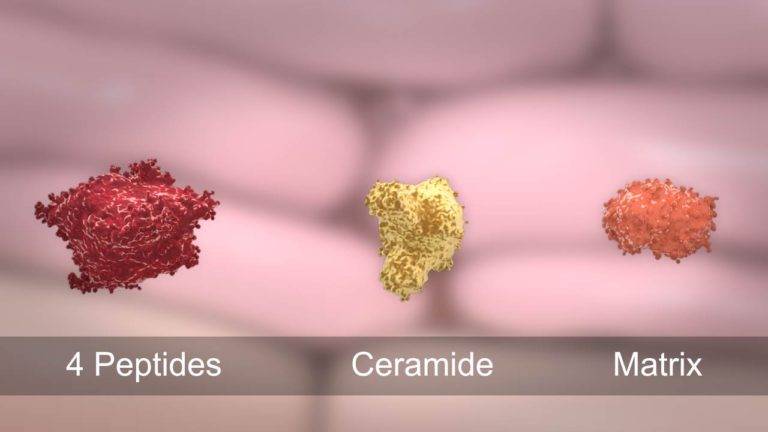
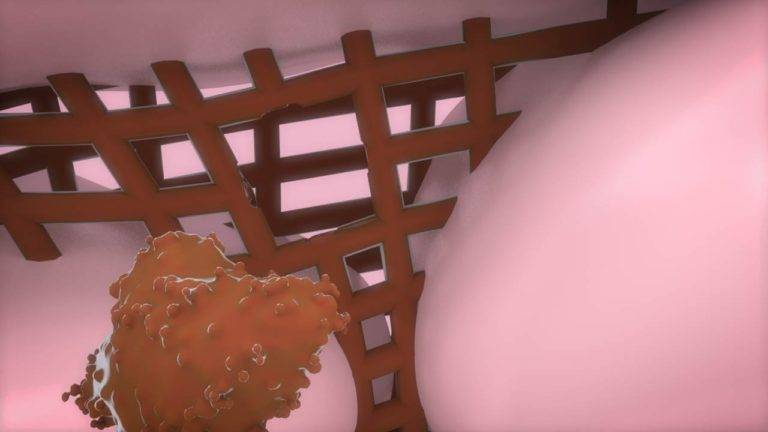
Animation solves it by making the invisible visible.
Through 3D visualization, startups can:
– open devices virtually
– simulate biological interactions
– demonstrate mechanisms of action
– explain procedural workflows
– compare before-and-after outcomes
Complex technology suddenly becomes intuitive.
And when people understand a product quickly, they are far more likely to remember it.
Why Investors Respond Better to Visual Presentations
At global healthcare events, investors are constantly evaluating opportunities.
But investors are not just investing in technology.
They are investing in:
– clarity
– scalability
– communication
– confidence
A visually explained product reduces friction instantly.
Instead of spending several minutes trying to understand complicated workflows, investors can immediately see:
– the problem
– the solution
– the impact
– the differentiation
This shifts the conversation from:
“What exactly does your product do?”
to:
“How fast can this scale?”
That transition is critical.
Because in startup environments, speed of understanding often influences speed of decision-making.

Animation Creates Memorability
One of the biggest challenges at large exhibitions is simple:
Most companies are forgotten within hours.
After visiting dozens or hundreds of booths, attendees struggle to remember what they saw.
But strong visuals create memory.
People may forget:
– technical specifications
– numbers
– product names
But they remember:
– motion
– storytelling
– emotional reactions
– visually impressive explanations
A high-quality animation doesn’t just explain the product.
It becomes part of the product identity itself.
The Rise of Hybrid Presentations in 2026
Another major shift happening globally is the rise of hybrid communication.
Medical startups are no longer creating content only for physical booths.
The same animation is now used across:
– investor presentations
– websites
– LinkedIn campaigns
– product launches
– crowdfunding campaigns
– email outreach
– sales meetings
– digital ads
This gives startups a massive advantage:
one high-quality visual asset can support the entire growth strategy.
In other words, animation is no longer just marketing content.
It is becoming a core business communication tool.
How We Help Medical Startups Stand Out
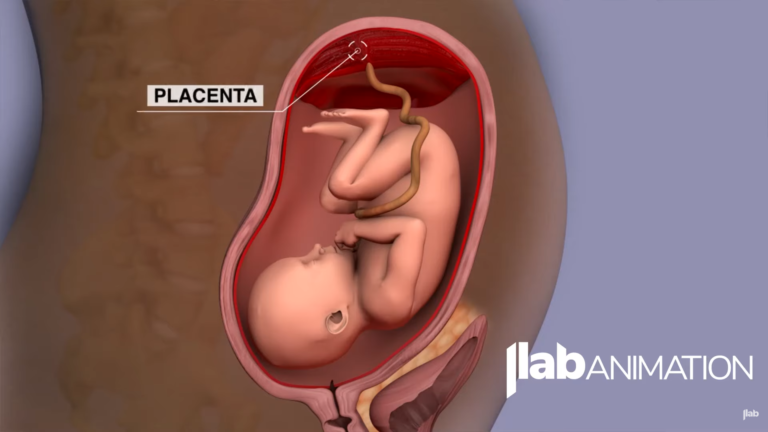
At JLab Animation, we specialize in helping medical startups transform complex technologies into clear and engaging visual experiences.
We understand the unique challenges startups face:
– limited time to impress
– highly technical products
– investor pressure
– crowded exhibitions
– complex communication needs
That is why we focus on:
– 3D medical device animations
– product mechanism visualizations
– booth visuals for healthcare events
– investor presentation animations
– startup-friendly visual storytelling
Our goal is simple:
Help your audience understand your product instantly and remember it long after the event ends.
Final Thought
In 2026, medical startups are competing in an environment where attention is one of the most valuable currencies.
At events like MedTech Forum, CES, and Arab Health, having a great product is no longer enough.
If people cannot quickly understand your innovation, they move on.
This is why visual storytelling is becoming essential.
Because the startups that win attention… are the startups that know how to show, not tell.