Picture of JLab Animation

JLab Animation

JLab animation is an animation studio that focuses on creating 3D medical animations for a better explanation, presentation and visualization of the human body.

How Medical Startups Win Attention at Global Events in 2026

LinkedIn
Facebook
Twitter

In 2026, medical startups are no longer competing only on innovation.
They are competing for attention.

At global events like MedTech Forum 2026, CES 2026, and Arab Health 2026, hundreds of companies showcase groundbreaking technologies, devices, and healthcare solutions.

But there’s one major problem:

Most medical innovations are difficult to explain quickly.

A startup may have an incredible technology behind its product but if attendees, investors, or distributors cannot understand it within seconds, the opportunity is often lost.

This is why the companies gaining the most attention today are not necessarily the ones with the most advanced technology.

They are the ones that communicate it best.

Why “Show, Don’t Tell” Is Becoming the New Rule

The healthcare industry is entering what many call the attention economy a space where visibility, clarity, and engagement determine whether people stop and pay attention.

At major events, attendees walk through hundreds of booths in a single day.

Most presentations blend together:

– static banners

– technical brochures

– complicated explanations

– overloaded slides

But visual storytelling changes this completely.

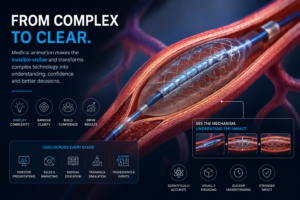
A strong 3D or 2D animation can:

– explain a product in under 60 seconds

– visualize invisible mechanisms

– create emotional engagement

– simplify highly technical workflows

– attract crowds naturally through motion and clarity

In a busy exhibition hall, movement attracts attention before words ever do.

And in healthcare, where products are often too complex to explain quickly, animation becomes one of the most powerful communication tools available.

The Reality of Modern Medical Events

Events like MedTech Forum, CES, and Arab Health are no longer simple networking conferences.

They are:

– investor environments

– sales environments

– branding environments

– media environments

In many cases, startups have less than 3–5 seconds to capture attention as people walk past their booth.

This changes everything about how products should be presented.

Instead of relying only on verbal explanations, successful startups are using:

– looping animations on large screens

– product simulations

– animated workflows

– short visual explainers

– interactive visual experiences

The goal is not just to present information.

The goal is to stop people in their tracks.

Why Medical Products Need Visual Storytelling More Than Any Other Industry

Many healthcare technologies operate behind the scenes.

You cannot easily see:

– what happens inside the body

– how a device interacts with tissue

– how data flows through a healthcare system

– what makes the technology different from competitors

This creates a communication challenge.

Animation solves it by making the invisible visible.

Through 3D visualization, startups can:

– open devices virtually

– simulate biological interactions

– demonstrate mechanisms of action

– explain procedural workflows

– compare before-and-after outcomes

Complex technology suddenly becomes intuitive.

And when people understand a product quickly, they are far more likely to remember it.

Why Investors Respond Better to Visual Presentations

At global healthcare events, investors are constantly evaluating opportunities.

But investors are not just investing in technology.

They are investing in:

– clarity

– scalability

– communication

– confidence

A visually explained product reduces friction instantly.

Instead of spending several minutes trying to understand complicated workflows, investors can immediately see:

– the problem

– the solution

– the impact

– the differentiation

This shifts the conversation from:
“What exactly does your product do?”
to:
“How fast can this scale?”

That transition is critical.

Because in startup environments, speed of understanding often influences speed of decision-making.

Animation Creates Memorability

One of the biggest challenges at large exhibitions is simple:

Most companies are forgotten within hours.

After visiting dozens or hundreds of booths, attendees struggle to remember what they saw.

But strong visuals create memory.

People may forget:

– technical specifications

– numbers

– product names

But they remember:

– motion

– storytelling

– emotional reactions

– visually impressive explanations

A high-quality animation doesn’t just explain the product.

It becomes part of the product identity itself.

The Rise of Hybrid Presentations in 2026

Another major shift happening globally is the rise of hybrid communication.

Medical startups are no longer creating content only for physical booths.

The same animation is now used across:

– investor presentations

– websites

– LinkedIn campaigns

– product launches

– crowdfunding campaigns

– email outreach

– sales meetings

– digital ads

This gives startups a massive advantage:
one high-quality visual asset can support the entire growth strategy.

In other words, animation is no longer just marketing content.

It is becoming a core business communication tool.

How We Help Medical Startups Stand Out

At JLab Animation, we specialize in helping medical startups transform complex technologies into clear and engaging visual experiences.

We understand the unique challenges startups face:

– limited time to impress

– highly technical products

– investor pressure

– crowded exhibitions

– complex communication needs

That is why we focus on:

– 3D medical device animations

– product mechanism visualizations

– booth visuals for healthcare events

– investor presentation animations

– startup-friendly visual storytelling

Our goal is simple:

Help your audience understand your product instantly and remember it long after the event ends.

Final Thought

In 2026, medical startups are competing in an environment where attention is one of the most valuable currencies.

At events like MedTech Forum, CES, and Arab Health, having a great product is no longer enough.

If people cannot quickly understand your innovation, they move on.

This is why visual storytelling is becoming essential.

Because the startups that win attention… are the startups that know how to show, not tell.
More to explorer

Medical simulation training with robotic systems and automated hospital technology

Robotics & Automation in Medicine

Healthcare is no longer confined to hospitals and clinics.

Today, medicine is moving into our homes, onto our wrists, and even into our pockets. We are entering the era of digital health and wearable technology where continuous monitoring and smart devices are reshaping how we detect, track, and prevent disease.

Placenta Accreta

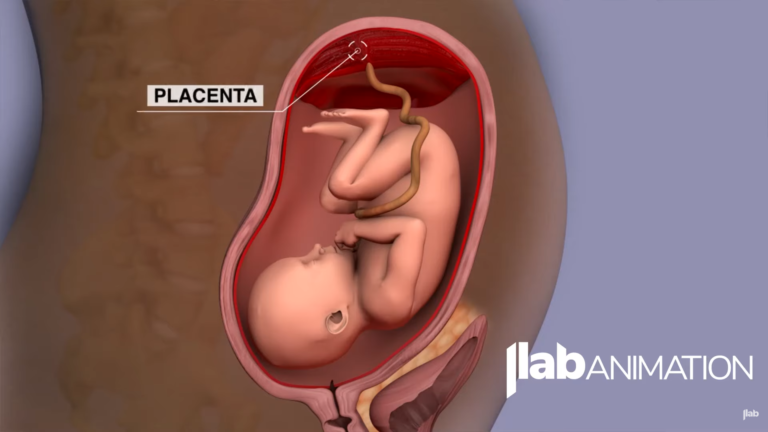
The placenta is an essential organ that develops during pregnancy to nourish and support the growing fetus. It is attached to the uterine wall and is responsible for providing oxygen, nutrients, and waste elimination between the mother’s blood supply and the developing baby. The placenta also produces hormones that help maintain the pregnancy and regulate various physiological processes.

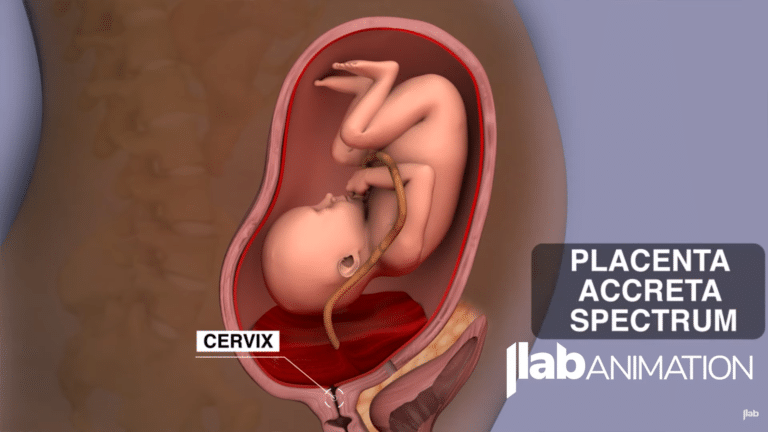
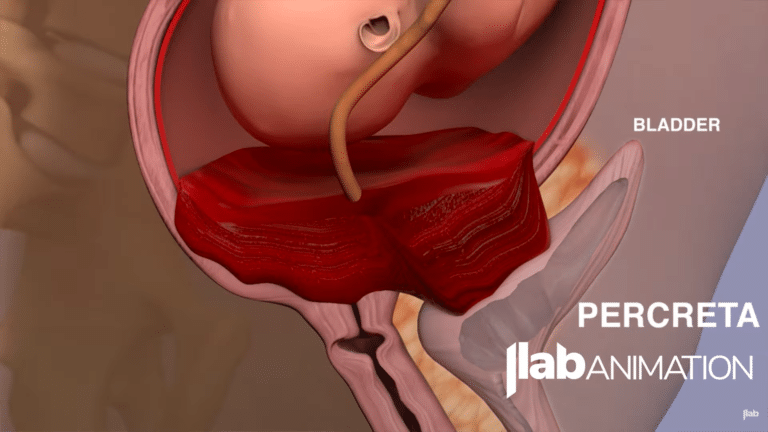
Placenta accreta is a serious pregnancy complication where the placenta attaches too deeply into the uterine wall, instead of detaching naturally during childbirth. This condition can lead to severe bleeding during delivery and may require surgical intervention. There are three main stages of placenta accreta:

Placenta Accreta: In this stage, the placenta attaches abnormally close to the uterine wall but doesn’t penetrate it. The outer layer of the placenta may invade the uterine lining, making separation difficult during delivery.

Placenta Increta: In this stage, the placenta penetrates deeper into the uterine wall. The placental tissue invades the muscle layer of the uterus, making separation even more challenging. Increta is more severe than accreta and poses a higher risk of bleeding during delivery.

Placenta Percreta: This is the most severe stage. In percreta, the placenta penetrates through the uterine wall and may even invade nearby organs, such as the bladder. This condition poses a significant risk of life-threatening bleeding and requires surgical intervention to remove the placenta safely.

Placenta accreta spectrum disorders occur when the placenta is abnormally adherent to the uterine wall, and they can lead to complications during childbirth, including postpartum hemorrhage. These conditions are more common in women who have had previous cesarean sections or other uterine surgeries, as the scar tissue can disrupt the normal attachment and detachment of the placenta.

Managing placenta accreta spectrum disorders usually involves a multidisciplinary approach with input from obstetricians, maternal-fetal medicine specialists, and sometimes surgeons. Depending on the severity of the condition, treatments may range from careful monitoring during pregnancy to planned cesarean hysterectomy, where the uterus is removed along with the placenta to control bleeding.

It’s important for pregnant individuals to receive regular prenatal care and discuss any concerns with their healthcare providers to ensure the best possible outcomes for both the mother and the baby.

Identifying Signs and Symptoms of Surgical Wound Infection

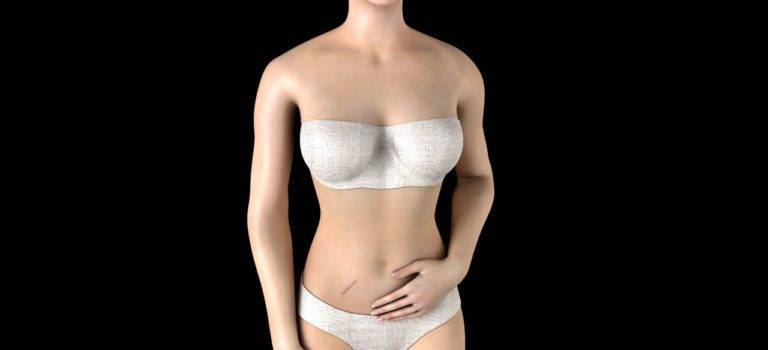
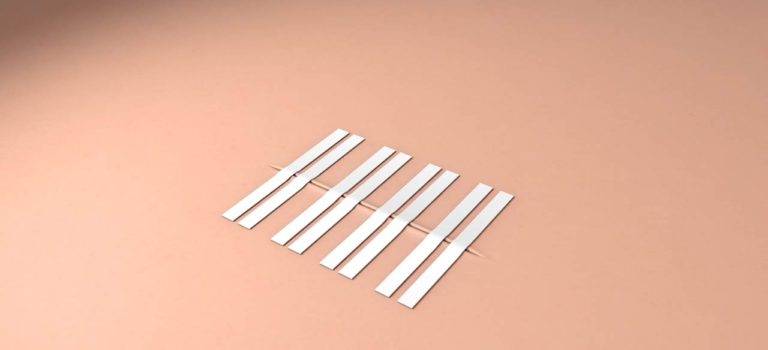
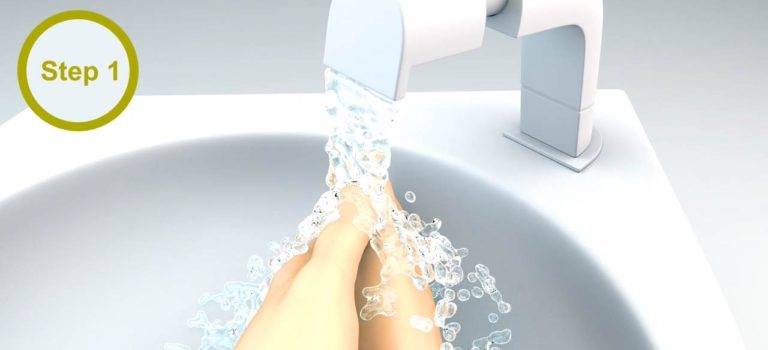
These are the most common surgical wound infections and the symptoms include redness, swelling, fever, and pain. The key to preventing surgical wound infections is following post-operative instructions and maintaining good hygiene.

Medical animations can be used by doctors to educate patients on what they’re going to do or what they’ve already done. They’re also useful for medical students who are learning to perform procedures and surgeries. Medical animations can be used to show patients what they can expect during their treatment, rehabilitation, or recovery process.

If you’re interested in medical animation, JLab Animation is a medical animation company that specializes in helping doctors and patients understand the inner workings of the human body through animation. The team at JLab Animation is a great resource to use if you’re looking to get started in this field.

Achilles Reconstruction

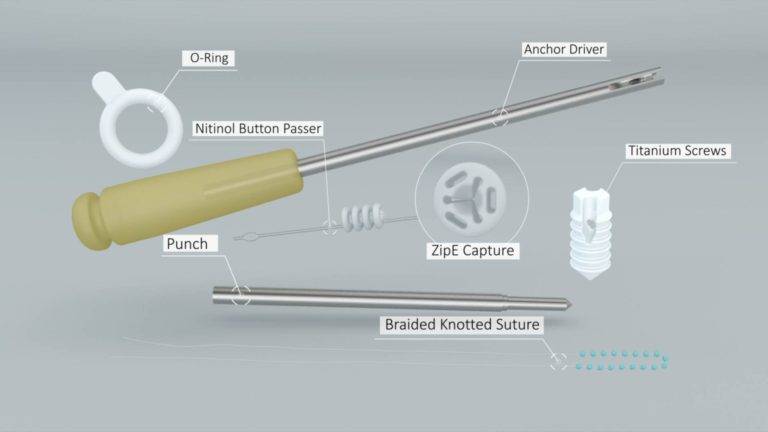
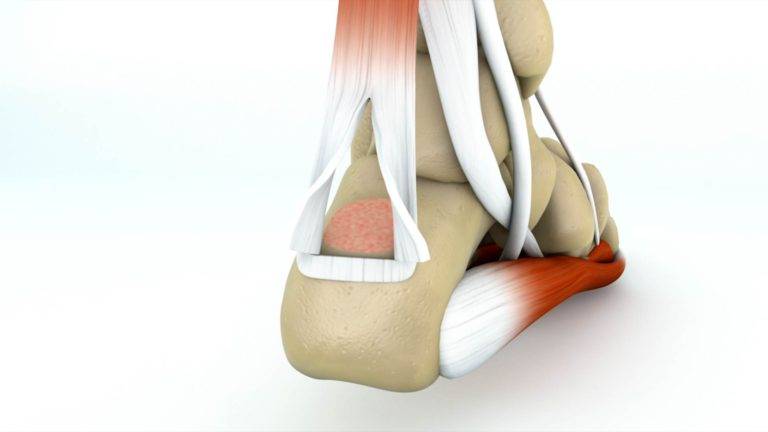
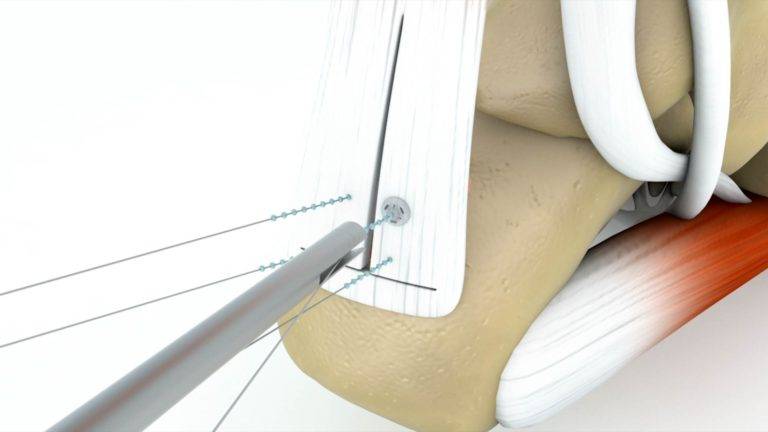
Achilles tendon surgery is a procedure that reattaches a torn or damaged Achilles tendon to the heel bone with a synthetic mesh or graft. A tendon is a tough band of tissue that connects muscle to bone and helps you move your body. It’s located in the back of your ankle and attaches your calf muscles to the heel bone.

The great thing about using 3D medical animation is that it can be used to explain complex medical procedures in a way that’s easy to understand. 3D medical animation, also known as medical animation, is the use of 3D computer graphics and specialized software to produce dynamic 3D animations of the human body. 3D medical animation is a great way to walk your audience through a complicated process in a visual, engaging way. This is perfect for any kind of technical product, especially if it’s used by doctors and other medics.

JLab Animation company is one of the best animation companies in
the United States. We have been in this industry for over seven years now and we have worked with a lot of great clients and we have delivered amazing work to all of them.

IUI Procedure

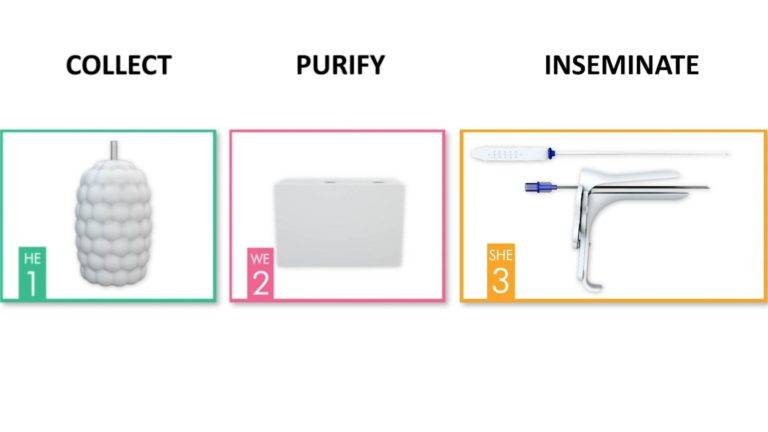
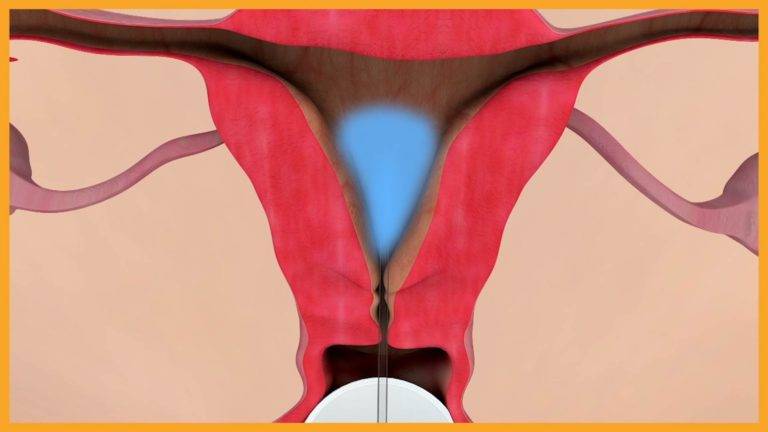
IUI, or intrauterine insemination, is a type of fertility treatment that involves placing sperm inside a woman’s uterus close to the time of ovulation. The goal of IUI is to increase the odds that she will get pregnant.


3D medical animation is becoming more and more popular in the medical industry because it’s a great way to show how a surgery or procedure might look in real life. Not everyone is comfortable with the idea of having surgery, so 3D medical animation can be a great way to demystify that process for patients.

JLab Animation company is a great place to start if you’re looking to create a beautiful 3D animation. JLab Animation provides sound design and visual effects for the animation and we are working very closely with our clients.

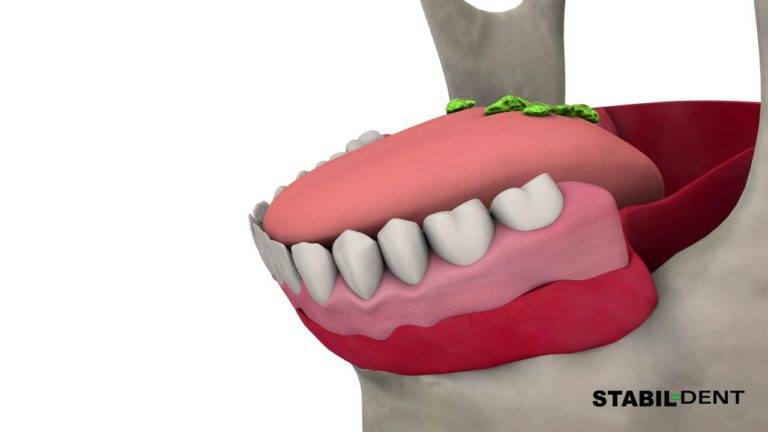
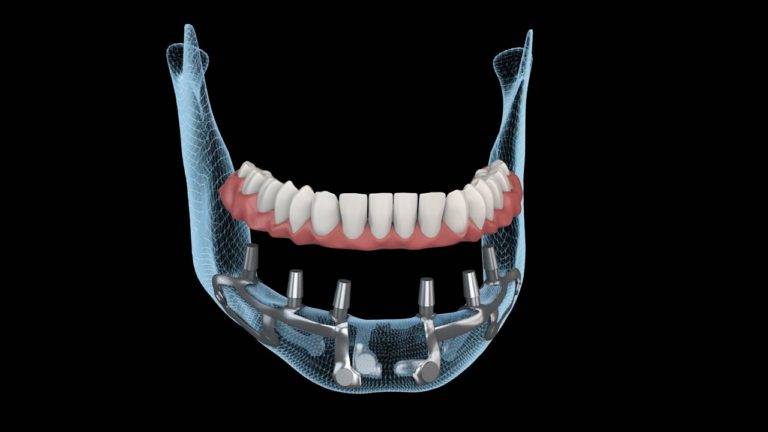
Lower Denture Stabilizers

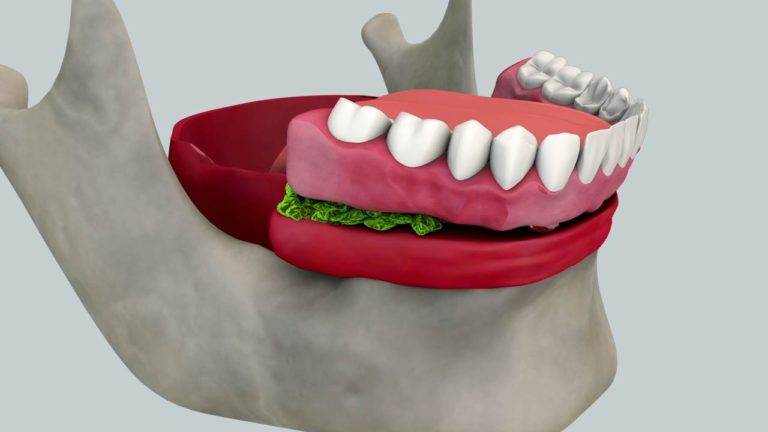
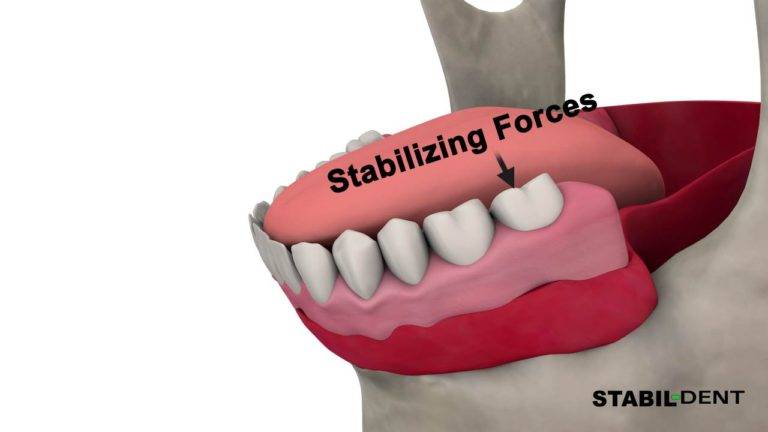
Denture stabilizers are a great treatment for patients who are having issues with their dentures. A common problem with dentures is that they don’t fit correctly and cause discomfort, pain, and embarrassment. They can also be very embarrassing, especially if you’re in the middle of eating and your denture comes loose.

3D dental animations can help people make decisions about their treatment. 3D dental animations are great for explaining complicated procedures to patients. People are more likely to choose a dentist who uses 3D dental animations because they’ll know that the dentist is trustworthy and that they’ll be able to take care of their teeth and gums.

JLab Animation is a company that creates content for brands. We create animation and illustrations for blogs, websites, and social media content. Our team of animators and illustrators works with agencies, brands, and startups to create videos and illustrations that people love to watch and share.

JLab Animation has been in business since 2015.

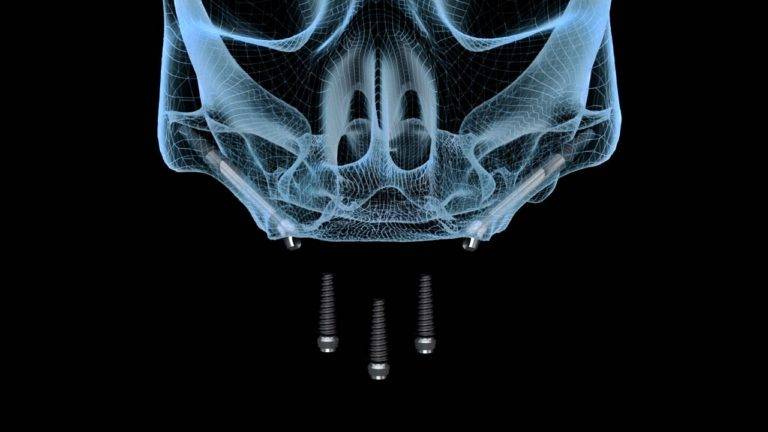
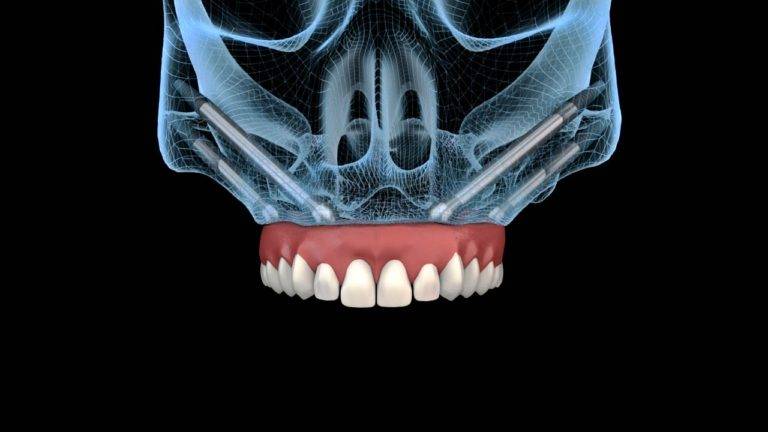
Zygomatic Implants

Zygomatic implants are a type of dental implant that is used to replace missing teeth. They are made out of titanium and the implant is typically screwed into the bone underneath the gums. Dental animations are a great way to communicate your message to an audience that is hard to reach. You can use dental animations to get your message across, to help people understand what you’re saying, and helps them to understand what they’re going to experience.

Dental companies have been using 3D images for a while now on their websites, but they’ve only been doing it as still images. JLab Animation is an animation studio that creates high quality 3D animations that can be used by dental practitioners to replace their old images and add 3D dental animation.

JLab Animation is a full-service animation studio. We create animated explainer videos, whiteboard animations, motion graphics, 3D animations, and full-blown video content for social media. We’re a team of creative artists that are here to help you bring your brand to life through the magic of animation.

Telomerase Enzyme

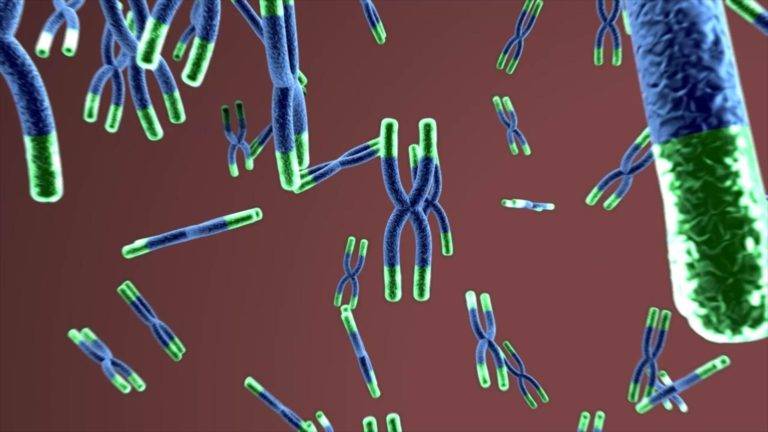
Telomerase is an enzyme that extends the length of our telomeres, which are the caps at the end of the DNA strands in our cells. Telomeres act as a kind of biological clock and are the reason we age and die. Every time a cell divides, the telomeres shorten by a tiny bit.

Science animations are a great way to explain complex scientific concepts in an entertaining and engaging way. The most successful science animations use as few words as possible and very simple animations. They’re designed to be understood by the broadest audience possible. Science animations are highly shareable on social media.

Many of the most popular science videos on YouTube are animations. They’re a great way to present complicated scientific concepts to a mass audience because they convey information in an easily digestible way, and it’s also easier for people to retain information when it’s presented in a visual way. JLab Animation is a full service motion graphic, animation and video production studio offering everything from 2D animation to 3D computer graphics. We’re also a fully equipped post-production facility specializing in high-quality audio and video finishing.

Skin Barrier Function

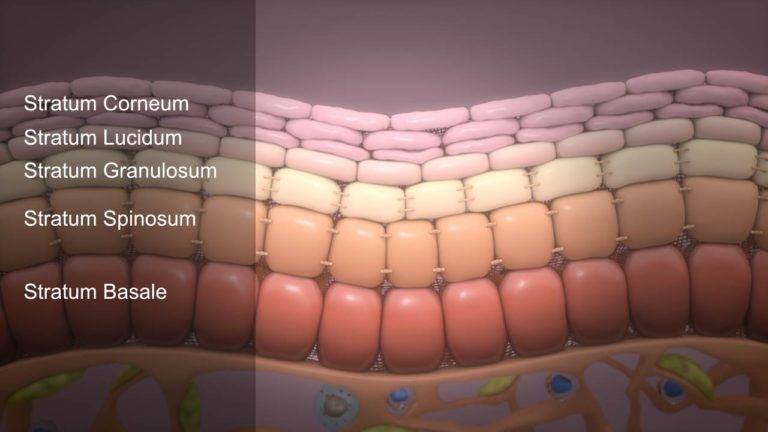
The skin barrier is the outermost layer of your skin. Your skin barrier is made up of dead skin cells, lipids (fats), and certain proteins. The skin barrier’s purpose is to protect you from the outside environment. It’s imperative that you keep your skin barrier strong.
One of the best ways to explain a medical procedure is through a medical animation. In a medical animation, you can show how surgery is done or how a drug works in the body.
A well-made medical animation can help doctors, patients and the public understand complex procedures that are hard to explain in words.

JLab Animation is an animation and visual effects studio. We create 2D, 3D, and motion graphics for hospitals, pharmaceutical companies, dental clinics, medical device manufacturers and educational videos. Our award-winning team consists of artists with backgrounds in a feature films, broadcast animation, and visual effects production.