
Why Understanding Dental Implants Matters
Dental implants are one of the most effective and long-lasting solutions for replacing missing teeth. However, many patients feel uncertain or intimidated when facing this type of treatment because they don’t fully understand how it works. When patients clearly understand the steps involved – from planning to healing – they are more confident, less anxious, and more likely to accept the recommended treatment.
Using clear visual explanations, especially high-quality 3D animations, can make complex dental procedures easier to grasp. In this guide, we explain how dental implants work step by step and why visual aids like implant procedure animation are so effective in dental practice.
What Are Dental Implants?
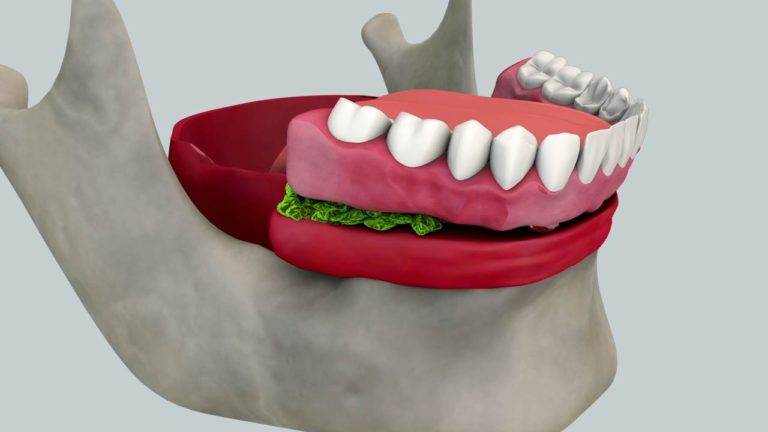
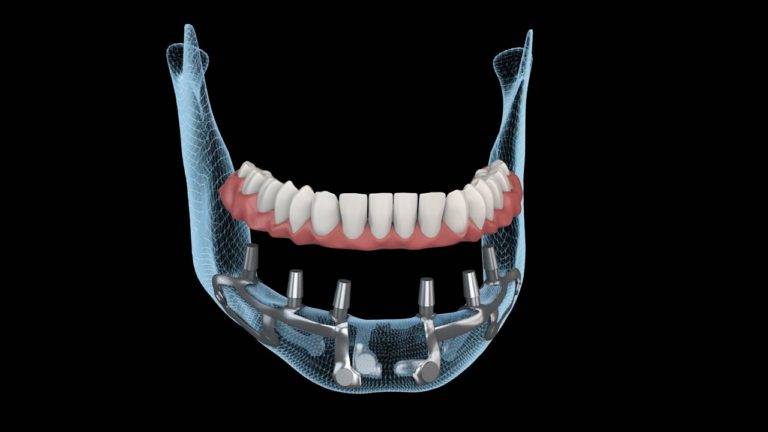
A dental implant is a small titanium post that acts as an artificial tooth root. Once placed in the jawbone, it serves as a stable foundation for a crown, bridge, or denture.
Unlike traditional dentures or bridges, dental implants integrate with the bone through a process called osseointegration, making them feel more secure and natural. They are considered a gold-standard solution for replacing missing teeth because they:
1. Preserve jawbone health
2. Improve chewing ability
3. Look and feel like real teeth
4. Last many years with proper care
At a basic level, a dental implant consists of three parts:
1. Implant Body (Titanium Post) placed in the jawbone
2. Abutment – connector piece
3. Crown – visible tooth replacement
This step-by-step guide will show precisely how each part works together.
The Surgery Steps
Understanding dental implant surgery can help patients approach treatment with confidence. Here is a typical implant procedure sequence:
1. Initial Consultation and Planning
Before any surgery, the dentist evaluates:
– Oral health and bone density
– Medical history
– X-rays or 3D scans
This planning step determines the exact location and size of the implant.
2. Surgical Placement of the Implant
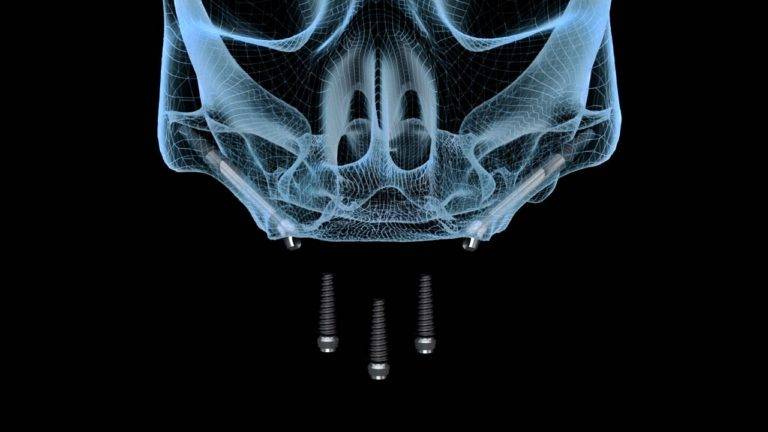
Under local anesthesia, the implant body (titanium post) is placed into the jawbone. This is a precise process where specialists position the implant so it can integrate properly with the bone over time.
3. Healing and Osseointegration
After placement, the implant is left to heal for several weeks. During this time, the implant bonds with the jawbone and forms a secure base. This process is called osseointegration and is crucial for long-term stability.
4. Attaching the Abutment
Once the implant has fully integrated, a small connector piece called an abutment is attached to the implant. This will support the final restoration.
5. Placing the Crown
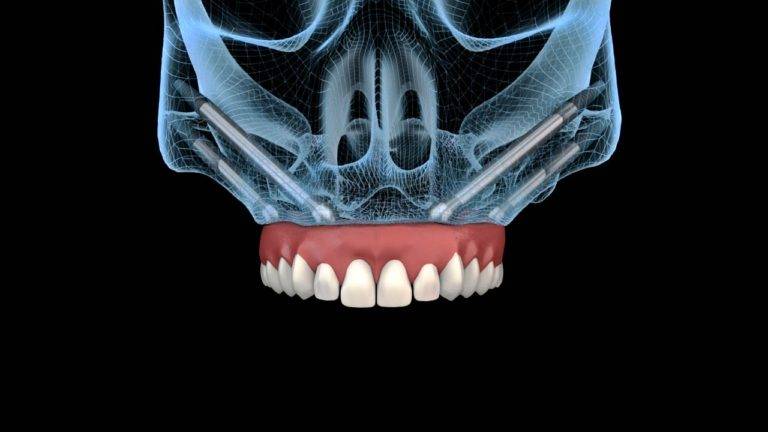
A custom-made dental crown is secured to the abutment. The crown is designed to match the patient’s natural teeth in shape, color, and size, completing the restoration.
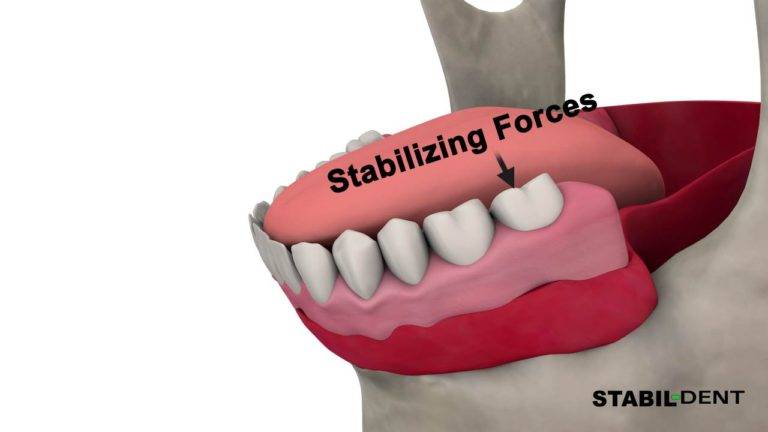
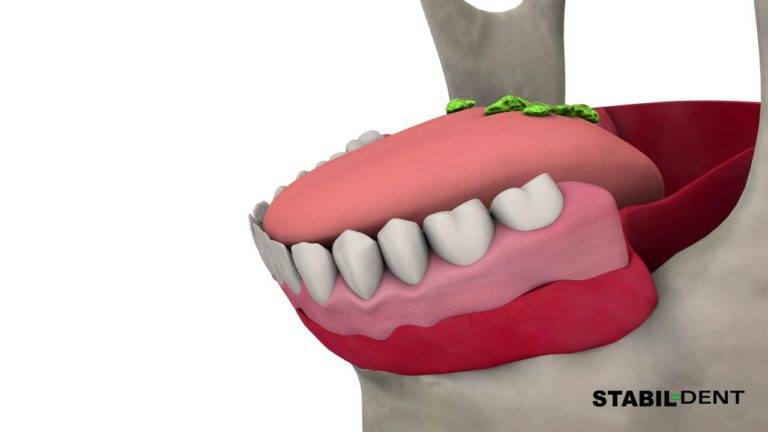
Each of these steps can be visualized clearly with specialized 3D dental animations. Seeing the process helps patients understand what will happen and why each part is important.
Why Visuals Help Patients Understand – Animation Expertise
Today’s patients respond better to visual content than text alone. Traditional verbal explanations sometimes leave gaps in understanding, especially for complex procedures like dental implants.
Here’s why visuals, and especially implant procedure animation, are so effective:
Clarify complex steps
Animations show internal structures (bone, implants, tissue) that words and photos can’t fully explain.
Reduce fear and anxiety
Seeing a step-by-step “virtual walkthrough” of the surgery builds confidence.
Improve patient acceptance
When patients understand the “why” and “how,” they are more likely to commit to treatment.
Support multiple platforms
Animations can be used in consultation rooms, waiting areas, on websites, and across social media content.
In short, an animated visualization makes the intangible tangible, which leads to better communication between dental professionals and patients.
Examples of Implant Animation Use Cases
Dental implant animations can be used in several high-value ways:
Waiting Room Displays
Looping animations help patients learn while they wait, reducing anxiety and increasing their readiness to discuss treatment.
Consultation Support
During chairside consultations, your team can use animations to visually explain each step, improving comprehension and speeding up decision-making.
Website & Landing Pages
Embedding animated procedural visuals on your site makes your services more engaging and can boost SEO performance by increasing time on page.
Social Media Content
Short animated clips designed for platforms like Instagram, TikTok, or YouTube help attract attention and educate patients where they already spend time online.
Conclusion
Understanding how dental implants work helps patients feel informed, comfortable, and confident in their treatment choices. Using high-quality animation to explain the process visually takes that clarity to the next level, turning hesitation into acceptance.
Explore our Dental Procedure Animation Services
and find out how visuals can elevate your clinic’s communication.